
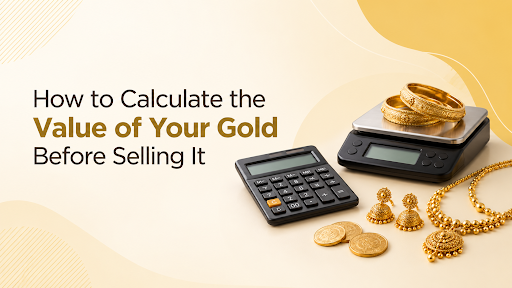
Selling gold can be an important financial decision, especially when you have old or unused jewellery that you no longer wear. Before approaching a buyer, it is helpful to understand how the value of your gold is calculated. Knowing the role of purity, weight, and current market rates can help you evaluate an offer with greater confidence. Whether you need cash for gold or simply want to understand what your jewellery may be worth, learning about the valuation process is an essential first step.
The value of gold jewellery is not determined by its appearance, original purchase price,e or age alone. Instead, buyers generally assess the actual gold content in the item and calculate its value based on the prevailing market rate. Let us look at the factors involved in this process.
Start by Understanding Gold Purity
Gold jewellery is rarely made from 100% pure gold because pure gold is relatively soft. Other metals are often mixed with gold to improve the strength and durability of jewellery. This is why purity is one of the most important factors in determining its value.
Gold purity is commonly measured in karats. Some common types include:
- 24K gold: Contains the highest level of gold purity.
- 22K gold: Commonly used for traditional gold jewellery.
- 18K gold: Contains a lower percentage of pure gold and a higher proportion of other metals.
A higher karat generally means a higher proportion of gold in the jewellery. However, the exact purity should be determined through a proper evaluation rather than relying only on the jewellery’s appearance.
Many gold items also carry a hallmark or purity marking. While these markings can provide useful information, professional purity testing gives a clearer understanding of the actual gold content of the item being evaluated.
Measure the Weight of Your Gold
The next important factor is the weight of the jewellery. Gold is generally valued according to its weight, usually measured in grams.
However, the total weight of a jewellery item may not always represent the actual weight of the gold it contains. Some pieces may include:
- Precious or semi-precious stones
- Diamonds or other gemstones
- Beads
- Clasps or other components containing different metals
- Non-gold decorative elements
During the valuation process, these non-gold components may need to be considered separately. Therefore, it is important to understand whether the weight used for the calculation represents the total weight of the jewellery or the actual net weight of the gold.
Accurate weighing is an essential part of a transparent valuation process. A precise weighing scale can help determine the correct weight before the final value is calculated.
Check the Current Gold Market Rate
Gold prices change regularly based on market conditions. Therefore, the rate that applied when you originally purchased your jewellery may be very different from the current rate.
Before you sell old gold jewelry, it is useful to check the prevailing gold market rate. However, you should also understand that the final amount offered for your jewellery may not simply be calculated by multiplying its total weight by the rate of 24K gold.
The calculation must account for the purity of the item. For example, a 22K jewellery item contains a different proportion of pure gold than a 24K item. The applicable rate and the actual purity of the jewellery both play an important role in determining its value.
A clear valuation should explain which market rate is being considered and how that rate has been applied to your gold.
Use a Simple Formula for an Estimated Value
You can make a basic estimate of your gold’s value if you know its weight, purity, and the relevant market rate. A simplified approach is:
Estimated Gold Value = Net Gold Weight × Purity Factor × Current Gold Rate
For example, suppose you have a gold item with a known net weight and a verified purity level. The gold content can first be adjusted according to its purity before applying the current market rate.
However, this calculation should only be considered an estimate. The final value can depend on the actual purity determined during testing, the precise net weight, and any applicable deductions for non-gold components.
Professional testing is therefore important when you want a more accurate figure.
Understand How Purity Testing Works
A professional buyer may use scientific methods to determine the purity of gold. According to Gold Becho, its valuation process uses German spectrometers and precision weighing scales to assess gold accurately. The evaluation is based primarily on the purity and weight of the gold, along with the prevailing market rate.
When your gold is being tested, you should be able to understand the process and ask questions about the result. Important questions include:
- What purity has been identified?
- How was the purity tested?
- What is the net weight of the gold?
- Which market rate is being used?
- Have any deductions been made from the weight?
- How has the final offer been calculated?
Asking these questions can help you understand how the final value has been reached instead of simply accepting a quoted amount without clarification.
Remember That Age and Condition Do Not Always Determine Gold Value
Many people assume that broken, damaged, or old jewellery has little value. However, the condition or design of a gold item does not necessarily determine the value of its gold content.
A broken chain, an old-fashioned ring or jewellery with a damaged clasp may still contain valuable gold. When you sell old gold jewelry, the purity and amount of gold in the item are generally more important to its basic gold value than whether the jewellery is currently fashionable or wearable.
This is why unused jewellery stored at home can still be worth evaluating. Even if an item is no longer suitable for regular use, its underlying gold content may retain value.
Do Not Base Your Expectations on the Original Purchase Price
The original price you paid for a jewellery item may include several costs beyond the gold itself. These can include:
- Making charges
- Design and craftsmanship costs
- Taxes and other charges
- Gemstones or decorative materials
These costs may not be fully reflected when the jewellery is sold as old gold. The valuation generally focuses on the actual gold content rather than the original retail price of the finished jewellery.
Understanding this difference can help you set more realistic expectations before approaching a gold buyer.
Compare the Valuation Process, Not Just the Final Offer
When considering different buyers, it is useful to compare how each valuation is carried out. A transparent process should clearly explain the purity test, weight measurement, applicable market rate, and final calculation.
A slightly different offer from one buyer to another may result from differences in the purity assessment, the rate used or the deductions applied. Therefore, looking only at the final amount without understanding the calculation may not give you a complete picture.
For greater convenience, services such as gold valuation at home can also allow the evaluation to take place at your preferred location. Gold Becho states that its valuation process can be carried out at the customer’s doorstep and in the customer’s presence.
Making an Informed Decision About Your Gold
Knowing how gold is valued can make the selling process easier to understand. Before proceeding, take the time to check your jewellery’s approximate weight, understand its purity, follow current market rates, and ask for a transparent explanation of the valuation. These steps can help you make a more informed decision and better understand the offer you receive.
If you are looking for a reliable option for cash for gold, Gold Becho can be considered one of the best options to opt for. Its website highlights doorstep service, transparent valuation, purity testing, and precise weighing as part of its process, helping customers understand how the value of their gold is assessed before completing a transaction.